Showing posts with label India. Show all posts

Thursday, September 28, 2023

UNA MIRADA SOBRE EL BRICS Y AMERICA LATINA

EL BRICS Y AMERICA LATINA: UN DIFICIL ACTO DE EQUILIBRIO (ANDRES SERBIN)
Creado en 2009 y ampliado con la incorporación de Sudáfrica el año siguiente, el grupo BRICS (Brasil, Rusia, India, China y Sudáfrica) se convirtió en un foro alternativo de economía emergentes que aspiraban a promover la cooperación y, eventualmente, a desempeñar un papel más activo en la reforma y reconfiguración de la gobernanza económica global. Como mecanismo multilateral informal que se diferencia de otros organismos financieros establecidos, de otros foros informales de concertación y de los mecanismos multilaterales tradicionales, desde sus orígenes los BRICS apuntaron a dar voz a las economías emergentes del Sur Global frente a la hegemonía de las naciones mas industrializadas y ricas de Occidente (Japón incluido). La XV Cumbre de los BRICS constituye, en este sentido, un punto de inflexión, en la medida en que incide, de una manera decisiva, sobre la configuración un sistema internacional multipolar, con la presencia de diversos actores y sin la hegemonía estadounidense, de manera similar a otros organismos – particularmente euroasiáticos- como la OCS que le sirve de inspiración en muchos aspectos. Esto encaja perfectamente en los lineamientos tradicionales de los BRICS, no sólo en términos del cuestionamiento a los mecanismos de gobernanza global financiera, sino también a las agencias y mecanismos asociados a las Naciones Unidas y hegemonizados por Occidente, en términos de su reforma o de su complementación. El retorno de la geopolítica y la confrontación entre grandes potencias y bloques emergentes tras la pandemia del COVID 19 y las sanciones económicas impuestas por Occidente a Rusia a raíz de la guerra en Ucrania contribuyeron a revitalizar el grupo a partir de 2019 y a su creciente politización frente a los cambios geopolíticos en curso en el sistema internacional. En este marco, la XV Cumbre de los BRICS en Johannesburgo realizada en agosto de este año, despertó una amplia gama de expectativas frente a su creciente peso en el sistema internacional. Algunas de ellas altamente críticas, en tanto se cuestionaba su papel de contrapeso a los organismos existentes y sus efectivas capacidades de convertirse en un actor descollante en tanto es percibido – particularmente en los medios occidentales – como una “alianza antioccidental liderada por Beijing y Moscú” que contribuye a la construcción de un orden global sino-céntrico 1. Junto con estas críticas el papel preponderante de China como la economía más poderosa del grupo y la “operación militar especial” impulsada por Rusia en Ucrania, abrían un amplio abanico de cuestionamientos a un grupo percibido como articulado en torno a los intereses de este tándem y cuya eventual ampliación podía amenazar los intereses occidentales. Otras, ampliamente favorables en términos de la emergencia de un mecanismo con capacidad de balancear o de reformar la gobernanza global a favor del Sur Global y de las economías emergentes apuntaban a resaltar el papel del bloque como un actor fundamental en una reconfiguración multipolar del sistema internacional que diluyera la primacía de Occidente. Más allá de estas críticas y de estas percepciones, antes de la Cumbre se planteaban una serie de interrogantes de si el grupo buscase profundizar en su institucionalización – en términos de estructura, procedimientos, presupuesto y localización permanente - capitalizando algunos de los logros previos como la creación del Banco de Desarrollo en 2014 y de los Acuerdos Contingentes de Reservas, entre otros, que habían comenzado a operar a favor de algunos países en desarrollo que aún no eran miembros del grupo o si debería proceder a ampliarse – como un BRICS + - para incrementar su peso, representatividad y legitimidad en el sistema internacional dada una lista de más de 23 países que aspiraban a incorporarse al grupo 2. La agenda de la Cumbre, sin embargo, preveía dos temas descollantes a tratar. Por un lado, particularmente a raíz de los movimientos a favor del uso de monedas internacionales en los intercambios comerciales y financieros entre los miembros del grupo y otras naciones del Sur Global ya avanzados, la creación de una moneda común en función de desplazar al dólar estadounidense como moneda dominante 3, y por otro, la expansión del bloque a una plataforma más amplia tomando en cuenta las numerosas solicitudes de ingreso por parte de países del Sur Global. Adicionalmente, dos temas previsiblemente presentes estaban asociados con la proyección del grupo en África a raíz del liderazgo regional del país anfitrión y los posicionamientos frente a la situación de Ucrania y a la resolución del conflicto, en tanto, más allá de las condenas o los alineamientos, tanto China como Brasil y los países africanos habían lanzado iniciativas para promover un diálogo conducente a la paz entre Ucrania y Rusia. Después de que varios organismos internacionales apuntaran a que los BRICS se habían convertido en el bloque de PBI – en término de Paridad del Poder Adquisitivo – más grande del mundo, contribuyendo actualmente con el 31,5% del PBI mundial frente a la contribución del G/ del 30,7%, y de que los miembros del bloque ignoraran en su mayoría las sanciones económicas de Occidente a Rusia, sin embargo el tema de la creación de una moneda única fuertemente promovida por Brasil no avanzó en la Cumbre según lo esperado y se reiteró de hecho la necesidad de reforzar y de recurrir al intercambio en monedas nacionales antes de crear una moneda común que pudiera desplazar al dólar. Más allá de las suspicacias frente a una “yuanización” de la moneda predominante por el peso determinante de la economía china, las propias dificultades de ésta y de otras economías de flexibilizar el flujo de capitales desalentó a corto plazo esta iniciativa. Sin embargo, el segundo tema – la ampliación del bloque – avanzó significativamente y se aprobó la incorporación en lo inmediato de seis nuevos miembros – Argentina, Egipto, Etiopía, Arabia Saudí, Emiratos Árabes Unidos e Irán – a un BRICS +, pese a la resistencia de algunos miembros como la India – que propuso limitarse a tres nuevos miembros – frente a los planteamientos de China sobre una ampliación mayor del bloque. De hecho, tanto este como otros debates marcaron las diferencias entre las posiciones de China y de Rusia en su aspiración de convertir al grupo en un instrumento de su proyección global; de India y Brasil más focalizados en sus propios intereses de desarrollo y de Sudáfrica que no sólo aspiraba a esto sino también a una mayor proyección global. Sin duda esta ampliación otorga un mayor peso al bloque en el sistema internacional, entre otras razones, porque se asume como vocero del Sur Global frente al Norte Occidental e intenta proyectarse y ampliarse a África, Asia y América Latina. Pese a la ambigüedad del concepto de Sur Global – que asume parcialmente el legado de conceptos como “Tercer Mundo” y “países en desarrollo” – esta marca el ascenso de un conjunto de naciones de creciente protagonismo e influencia global que aspiran a desempeñar un papel más activo en el sistema internacional a pesar de sus disparidades y asimetrías 4. El balance geográfico de las nuevas incorporaciones a los BRICS ilustra cabalmente esta intencionalidad, particularmente porque el bloque se asume como eventual vocero del Sur Global pese a sus diferencias internas. Sin embargo, de la misma manera que el grupo original como el actual ampliado de los BRICS presentan heterogeneidades y asimetrías que probablemente dificulten en el futuro la construcción de consensos, y abren interrogantes frente a la incorporación de otras naciones de América Latina. Los desafíos de América Latina Más allá de la periferización estratégica en la que halla en el sistema internacional y de la gran heterogeneidad de la región - que hace difícil una articulación de un bloque regional pese a la existencia de mecanismos como la CELAC y de diferentes intentos de integración regional y subregional que no han logrado superar una serie de obstáculos -, la eventual incorporación de países latinoamericanos o caribeños a los BRICS implica una serie de oportunidades, pero también de riesgos. En términos de oportunidades la participación en el bloque amplía el abanico de opciones de comercio y de inversión con otros miembros de este y el acceso a los créditos del NBD. Por otra parte, si bien puede también aumentar la capacidad de negociación colectiva en organismos como el G20, el FMI y el Banco Mundial, en los que algunos exigen mayor participación desde hace años 5, se enfrentan con el riesgo de alienar sus vínculos con Occidente y ser percibidos como asociados o aliados de países como China, Rusia e Irán, sujetos a diversas sanciones por parte de los Estados Unidos y países de la Unión Europea. Este dilema entre los beneficios económicos y los riesgos geopolíticos queda claramente ilustrado por el caso de Argentina. Con el apoyo de uno de sus mayores socios comerciales – Brasil, Argentina se incorpora formalmente a los BRICS y como tal operará a partir del 1 de enero de 2023. Junto con Brasil, China e India se encuentran entre los cinco socios comerciales más importantes de Argentina y su incorporación probablemente potenciará estas relaciones y abrirá la posibilidad de un amplio y mayor abanico de vínculos internacionales y de una mejor y más diversificada inserción internacional. Sin embargo, los beneficios económicos pueden estar opacados por los riesgos políticos y geopolíticos. En primer lugar, si bien la pertenencia a los RIC, los BRICS y la OCS, pudo ayudar a distender las tensiones – hasta muy recientemente – entre la India y China enfrentados en una disputa territorial y una pugna por el liderazgo regional, Argentina e Irán tienen un saldo pendiente debido a los atentados terroristas en territorio argentino de los que Buenos Aires responsabiliza a algunos altos mandos iraníes, lo que podría incrementar tensiones y disparidades en el seno del bloque. A esto se suma que, en el marco de las próximas elecciones presidenciales de octubre de este año, dos de los principales candidatos de derecha a la presidencia han rechazado de plano esta incorporación y han anunciado que se saldrán del bloque en el caso de obtener la presidencia en las elecciones. Uno de ellos, de hecho, anunció que no trataría con “comunistas” lo que incluso podrías afectar las relaciones con uno de los principales socios comerciales del país – la República Popular China. De hecho, como señalan dos analistas argentinos, el problema de fondo es la persistencia entre las elites políticas argentinas de mapas cognitivos y narrativas limitadas y aferradas a esquemas pretéritos referidos sumulísticamente a visiones contrastes entre un hiper-occidentalismo que los fuerza a alinearse con los Estados Unidos y la Unión Europea, y un sinofilismo que los acerca a China en el tablero internacional y que no es único en América Latina 6. Los beneficios y riesgos que apareja esta combinación de factores económicos, políticos y geopolíticos en Argentina, con diferentes matices y con sus características particulares, es extensible a otros países de la región. Si bien Argentina se ha incorporado gracias a la mediación de Brasil y el apoyo de China, Rusia e India, podría ser una punta de lanza para incorporación de otros países tanto sudamericanos como Uruguay, Bolivia y Venezuela, como centroamericanos y caribeños como Cuba (cuyo presidente Diaz Canel asistió a la Cumbre en representación del G77), Honduras y, más recientemente, Nicaragua. Es evidente que una mayoría de estos países asumen un claro alineamiento en contra de los Estados Unidos y a favor de Rusia y China, pero esto no impide que haya otros países que están debatiendo tu solicitud de entrada como Colombia – desgarrada entre aspirar su vinculación con la OSCE y su eventual ingreso a los BRICS, bajo un gobierno de izquierda. Es evidente que el peso de dos economías emergentes como Brasil y Argentina (aunque esta atraviese una seria crisis económica y una transición política incierta) en Sudamérica puede tentar a otros países sudamericanos – en particular aquéllos que mantienen importantes relaciones económicas con China – a aspirar a incorporarse a los BRICS probablemente contribuyendo a una mayor heterogeneidad del grupo. Pero también es cierto que esta decisión puede estar signada por los alineamientos geopolíticos respectivos. México – entre otras razones de peso por su estrecha vinculación con los Estados Unidos y Canadá – se ha mostrado ambiguo, cuando no claramente negativo frente a la posibilidad de solicitar ingreso al grupo. En el marco de las tensiones y disputas de la actual transición del sistema internacional de unipolar a multipolar, pareciera que la estrategia de multialineamiento o la doctrina del no alineamiento activo promovida por algunos analistas y diplomáticos latinoamericano 7 puede ayudar a mantener una diversificación balanceada en las relaciones en un entorno internacional incierto y cambiante en el marco de un complejo proceso de reconfiguración geopolítica global. Pero como lo prueba el caso de India en el proceso de convocatoria, organización y construcción de consensos en la reciente reunión del G20, el multialineamiento demanda un acto de equilibrios nada fácil de mantener. Andrés Serbin es Chair del Consejo Académico de CRIES y Global South Distinguished Scholar de la International Studies Association (ISA), autor de Guerra y Transición Global (Areté/CRIES, 2022) Stuenkel, Oliver (2023) “How BRICS Expansion Will Impact South America”, en Americas Quarterly, August 24 2023, https://www.americasquarterly,org/hos-brics-expansion-will.impact-south-america/?ulm_source=substack&utm_medium=email Kortunov, Andrey (2023) “BRICS: between broadening and deepening”, in https://www.globaltimes.cn/page/202308/1296683.shtml Serbin, Andrés (2023) “La erosión del dólar”, en Perfil, 9 de abril de 2023, p. 42. Serbin, Andrés (2023) “El despertar del Sur Global”, en Perfil, 16 de julio de 2023. Betancour Santana, Camila (2023) “¿Qué pueden significar los BRICS para los países latinoamericanos?”, en Sputnik, 25 de agosto de 2023. Malacalza, Bernabé y Juan Gabriel Tokatlian (2023) “La Argentina y el BRICS: ¿oportunismo o oportunidad’”, en Cenital, 3 de septiembre de 2023, en https://cenital.com/la-argentina-y-el-brics-oportunismo-o-oportunidad// Fortin, Carlos; Jorge Heine & Carlos Ominami (2023) Latin American Foreign Policies in the New World Order. The Active Non-Alignment Option, Anthem Press. 
 
 SITIOS RELEVANTES SOBRE EL BRICS:


Tuesday, June 16, 2020

WHY CHINA AND INDIA ARE SPARRING?


Why Are India and China Fighting?

Nuclear powers New Delhi and Beijing engage in a skirmish marking the first combat deaths along their border in more than four decades.

FOREIGN POLICY, BY JAMES PALMER, RAVI AGRAWAL | JUNE 16, 2020, 3:41 PM

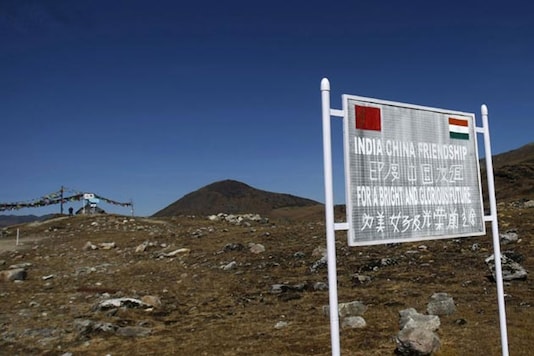
 Fierce Face-off Between Indian, Chinese Troops Near Naku La in ...

In a major setback to recent measures to de-escalate tensions, India and China engaged in a deadly skirmish along their border on Monday night. While details of the clash are still emerging, the incident marks the first combat deaths in the area since 1975.
An Indian Army statement acknowledged the death of an officer and two soldiers, with subsequent reports attributed to officials confirming 17 other soldiers succumbed to injuries—reports that Foreign Policy has not independently verified. Both sides confirm that Chinese soldiers were also killed, but the number is unknown. (China is traditionally reluctant to report casualty figures, and it erases some clashes from official history.) Critically, neither side is reported so far to have fired actual weapons; the deaths may have resulted from fistfights and possibly the use of rocks and iron rods. It’s also possible, given the extreme heights involved—the fighting took place in Ladakh, literally “the land of high passes”—that some of those killed died due to falls.

What is the origin of the conflict?

Despite their early friendship in the 1950s, relations between India and China rapidly degenerated over the unresolved state of their Himalayan border. The border lines, largely set by British surveyors, are unclear and heavily disputed—as was the status of Himalayan kingdoms such as Tibet, Sikkim, Bhutan, and Nepal. That led to a short war in 1962, won by China. China also backs Pakistan in its own disputes with India, and China’s Belt and Road Initiative has stirred Indian fears, especially the so-called China-Pakistan Economic Corridor, a collection of large infrastructure projects.
The current border is formally accepted by neither side but simply referred to as the Line of Actual Control. In 2017, an attempt by Chinese engineers to build a new road through disputed territory on the Bhutan-India-China border led to a 73-day standoff on the Doklam Plateau, including fistfights between Chinese and Indian soldiers. Following Doklam, both countries built new military infrastructure along the border. India, for example, constructed roads and bridges to improve its connectivity to the Line of Actual Control, dramatically improving its ability to bring in emergency reinforcements in the event of a skirmish. In early May this year, a huge fistfight along the border led to both sides boosting local units, and there have been numerous light skirmishes—with no deaths—since then. Both sides have accused the other of deliberately crossing the border on numerous occasions. Until Monday’s battle, however, diplomacy seemed to be slowly deescalating the crisis: The two sides had opened high-level diplomatic communications and appeared ready to find convenient off-ramps for each side to maintain face. And both countries’ foreign ministers were scheduled for a virtual meeting next week.
Both countries also have a highly jingoistic media—state-run in China’s case, and mostly private in India’s—that can escalate conflicts and drum up a public mood for a fight. Press jingoism, however, can also open strange opportunities for de-escalation: After an aerial dogfight between India and Pakistan in 2019, media on both sides claimed victory of sorts for their respective countries, allowing their leaders to move on.
Compounding the problems is the physically shifting nature of the border, which represents the world’s longest unmarked boundary line; snowfalls, rockslides, and melting can make it literally impossible to say just where the line is, especially as climate change wreaks havoc in the mountains. It’s quite possible for two patrols to both be convinced they’re on their country’s side of the border.

Has there been similar violence in the past?

There have been no deaths—or shots fired—along the border since an Indian patrol was ambushed by a Chinese one in 1975.There have been no deaths—or shots fired—along the border since an Indian patrol was ambushed by a Chinese one in 1975. But China saw significant clashes with both India and the Soviet Union during the late 1960s, at the height of the Cultural Revolution. In India’s case, that culminated in a brief but bloody clash on the Sikkim-Tibet border, with around hundreds of dead and injured on each side. On the Soviet border, fighting along the Ussuri River saw similar numbers of dead, but tensions escalated far higher than with India, leading to fears of a full-blown war and a possible nuclear exchange that were only alleviated by the highest-level diplomacy. In part, those clashes were driven by political needs on the Chinese side; officers and soldiers alike felt the need to demonstrate their Maoist enthusiasm, leading to such actions as swimming across the river waving Mao Zedong’s Little Red Book.

What could happen next?

India has announced that “both sides” are trying to de-escalate the situation, but it has accused China of deliberately violating the border and reneging on agreements made in recent talks between the two sides. China’s response was more demanding, accusing India of “deliberately initiating physical attacks” in a territory—the Galwan Valley in Ladakh that is claimed by both sides—that has “always been ours.” Army officers are meeting to try to resolve the situation.

Why India and China Are Sparring

The two nuclear powers have long had their differences. But the pandemic has led to some frayed nerves—and revealed longer-term ambitions.
While the 2017 Doklam crisis was successfully defused—and was followed by a summit between Chinese President Xi Jinping and Indian Prime Minister Narendra Modi in Wuhan, China—recent events could easily spiral out of control. If there are indeed a high number of deaths from Monday’s skirmish, pressure to react and exact revenge may build. The coronavirus has produced heightened political uncertainty in China, leading to a newly aggressive form of “Wolf Warrior” diplomacy—named after a Rambo-esque film that was a blockbuster in China but a flop elsewhere. Chinese officials are under considerable pressure to be performatively nationalist; moderation and restraint are becoming increasingly dangerous for careers.
On the Indian side, there is increasing nervousness about how Beijing has encircled the subcontinent. China counts Pakistan as a key ally; it has growing stakes in Sri Lanka and Nepal, two countries that have drifted away from India in recent years; and it has made huge infrastructure investments in Bangladesh. Meanwhile, much has changed since the last time India and China had deadly clashes in the 1960s and ’70s, when the two countries had similarly sized economies; today, China’s GDP is five times that of India, and it spends four times as much on defense.
There will likely be a business impact following the latest clash. Indians, for example, have recently mobilized to boycott Chinese goods, as evidenced by a recent app “Remove China Apps” that briefly topped downloads on India’s Google Play Store before the Silicon Valley giant stepped in to ban the app.
Heightened tensions also put Indians in China at risk. Although numbers are somewhat reduced due to the coronavirus crisis, there is a substantial business and student community in the country. During the Doklam crisis, the Beijing police lightly monitored and made home visits to Indians in the city.
An escalated crisis doesn’t necessarily mean a full-blown war.An escalated crisis doesn’t necessarily mean a full-blown war. It could mean months of skirmishes and angry exchanges along the border, likely with more accidental deaths. But any one of those could explode into a real exchange of fire between the two militaries. The conditions in the Himalayas themselves severely limit military action; it takes up to two weeks for troops to acclimate to the altitude, logistics and provisioning are extremely limited, and air power is severely restrained. (One worrying possibility for more deaths is helicopter crashes, such as the one that killed a Nepalese minister last year.)
In the event of a serious military conflict, most analysts believe the Chinese military would have the advantage. But unlike China, which hasn’t fought a war since its 1979 invasion of Vietnam, India sees regular fighting with Pakistan and has an arguably more experienced military force.

Is there a permanent solution?

China resolved its border squabbles with Russia and other Soviet successor states in the 1990s and 2000s through a serious diplomatic push on both sides and mass exchanges of territory, and they’ve been essentially a nonissue since then. But although the area involved was much larger, the Himalayan territorial disputes are much more sensitive and harder to resolve.
For one thing, control of the heights along the borders gives a military advantage in future conflicts. Resource issues, especially water, are critical: 1.4 billion people depend on water drawn from Himalayan-fed rivers. And unlike the largely bilateral conflicts along the northern border, multiple parties are involved: Nepal, Bhutan, China, Pakistan, and, of course, India. Add on top of that China’s increasing power and nationalism, matched by jingoism on the Indian side, and the prospects of a long-term solution look small.

James Palmer is a deputy editor at Foreign Policy. Twitter: @BeijingPalmer
Ravi Agrawal is the managing editor of Foreign Policy. Twitter: @RaviReports

Friday, June 24, 2016

GRAN BRETAÑA Y EL MUNDO POST "BREXIT"


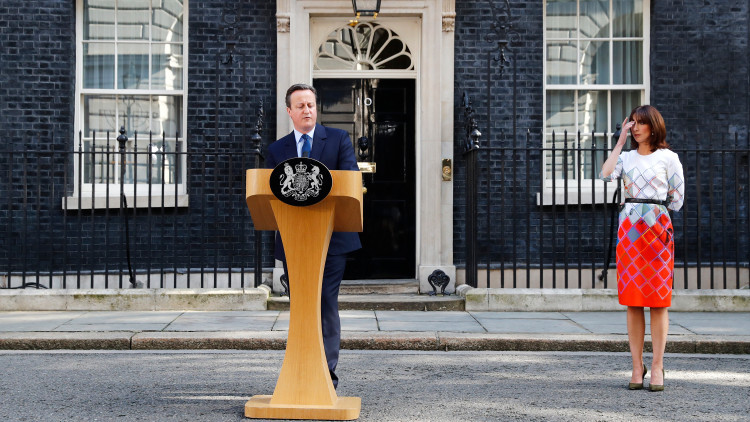
Medio mundo no durmió esperando ansiosamente el resultado oficial de las 4.00 (hora argentina) y el medio restante se despertó con la gran noticia. De manera apretada pero decisiva e inobjetable, la mitad más uno de los británicos han decidido en un referéndum, la salida del Reino Unido de la UE. Más allá de analizar las enormes e inesperadas derivaciones que surgen del hecho, éste en sí mismo, encierra particularidades dignas de analizar. 
En primer lugar, contrariamente a lo que predecían una vez más las encuestas y el propio Premier británico David Cameron, cuando adelantó de modo audaz, la fecha de la consulta popular, creyendo que la ganaría, acicateado por el triunfo del "No" a la separación escocesa en setiembre de 2014, los votantes británicos decidieron el "Brexit. Este tiene todas las características de un nuevo "Cisne Negro": inesperado y de consecuencias devastadoras. El evento se inscribe en una marea de sucesos sorpresivos y sorprendentes, que vienen ocurriendo en la arena internacional y que amenazan con continuar en diferentes lugares del globo. Si existe alguna semejanza, es con la decisión de Mikhail Gorbachov de terminar con la Guerra Fría, en los ochenta, lo cual arrastró en poco tiempo, a la caída del propio Gorbachov y su Imperio soviético o mucho más atrás en el tiempo, con el fin del patrón oro. Son movimientos cataclísmicos, tectónicos, que se sabe, dónde y cómo empiezan pero nunca dónde y cómo terminan. 
A man carries a EU flag, after Britain voted to leave the European Union

En segundo lugar, la decisión electoral sucedió en un contexto de hechos precedentes que sin embargo, parecen tener cierta concatenación a través de dos factores comunes: por un lado, un discurso antielitista, contra el "establishment" (político y empresarial-financiero), aunque sea liderado por aristócratas o millonarios como el ex periodista del Daily Telegraph y ex alcalde conservador de Londres (2008-2016), Boris Johnson y el propio candidato republicano a la Casa Blanca, Donald Trump y por el otro, en ausencia de ideologías sólidas, su reemplazo por una oleada nacionalista, que anticipa movimientos xenófobos, racistas, autárquicos y de "destino manifiesto"("Britain First", "America First", etc.), algo semejante a lo vivido por el mundo occidental en los años treinta del siglo XX. Paradójico es que, quienes hoy se hallan a la vanguardia de las masas, sean conductores marginados o en la periferia de sus respectivos sistemas políticos, con discursos conservadores o neoconservadores, arriconando a liberales e izquierdas del lado perdedor de la historia. Todo ello, hoy, ocurre con el peso de los votos,  Las "clases populares", de manera algo desordenada y a veces, hasta incongruente y facilista,  hoy votan por los Johnson, Farage, Le Pen o Trump en contra de la inmigración, de políticas públicas ortodoxas en el campo fiscal, de burocracias centralistas e impersonales como las de Bruselas o Washington, alejadas de la realidad, que no necesariamente reeditúan en favor de aquéllas, de subsidios o transferencias enormes de dinero regresivas, etc. Claramente, los más viejos y hombres votan a favor de este tipo de políticos y políticas; los más jóvenes y mujeres, optan por salidas "civilizadas" y "cosmopolitas". La tentación populista parece retroceder aunque no tanto en América Latina, pero adelanta posiciones de modo vertiginoso, en el mundo occidental desarrollado. 

En tercer lugar, la salida de Gran Bretaña de la UE no será rápida, puede demorar algo o bastante, según opere sobre ella, la pesada institucionalidad de Bruselas, pero lo que resulta claro, que nadie en adelante, podrá subestimar el peso de los votos de anoche, con lo cual, el resultado operará sobre las cabezas de los negociadores, tanto británicos como europeos.
Vamos a las consecuencias que serán enormes, aunque no sólo en el plano financiero y comercial. La economía británica ya no es lo que era en los años treinta y mucho menos, después de los ajustes thatcherianos. Londres es un centro financiero de fundamental relevancia para Europa pero también depende de ésta, al igual que el comercio de las Islas. Los vínculos militares y culturales con Estados Unidos existen, ídem con los emergentes como China, India y hasta la propia Rusia, pero la globalización para el Reino Unido, pasaba sustancialmente por la UE. La creencia de que China e India pueden sustituir al bloque de Bruselas, es tan ingenua como la creencia del Presidente ruso Putin de que el gas europeo puede ser reemplazado por la demanda china. Esta decisión de salida afectará demasiado a la libra esterlina, al estilo del golpe de Soros contra el Banco de Inglaterra en 1992, pero también dañará las exportaciones británicas y prácticamente aislará comercialmente a las Islas. Habrá migración de capitales a la Bolsa de Frankfurt pero también, más de un "yuppie" británico perdidoso, imitará la conducta del personaje de Russell Crowe en la película de hace una década "Un buen año". 
La política, incluyendo la faz institucional-estatal, también puede salirse de su eje. No sólo Cameron pasa a engrosar las filas de los desocupados en octubre próximo: seguramente, Boris Johnson, Theresa May, Michael Gove, Priti Patel y hasta Neil Farage pasarán a pelear los espacios de poder de una Gran Bretaña más nacionalista y cerrada, con todo lo que ello conlleva en términos de pérdidas de cosmopolitismo y multiculturalidad, con una Londres convertida en una "isla" dentro de las Islas, dirigida por un abogado musulmán descendiente de pakistaníes, Sadiq Khan. Al mismo tiempo, el futuro del Reino Unido pende de un hilo. A pesar de que en la vereda de enfrente de Inglaterra y Gales, Escocia e Irlanda del Norte fueron fieles a la permanencia en la UE, precisamente, este resultado, vuelve a estimular las ansias de los escoceses por alejarse por fin de los ingleses y tender puentes de dependencia con Bruselas. Un nuevo referéndum escocés destinado a revertir el resultado de 2014, ya con los laboristas, por conveniencia, y los neoconservadores por convicciones, apoyando la secesión, prácticamente, significa el fin de la Unión trabajosa pero también coercitivamente lograda en 1701. 

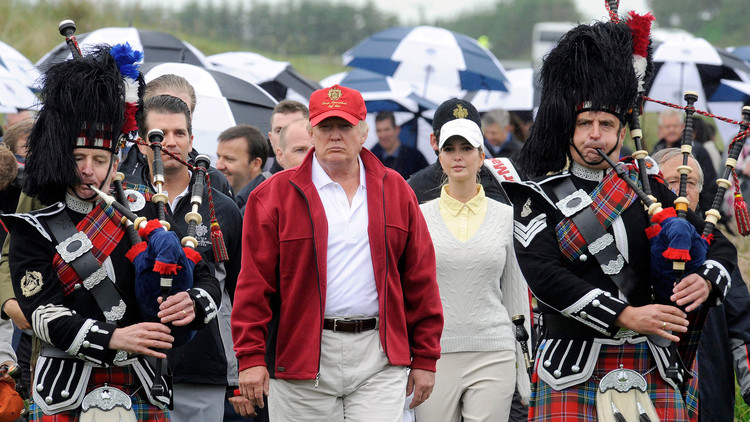
Por último, el efecto dominó o cascada del "Brexit" más allá de las vigentes por no mucho tiempo, fronteras británicas. Trump, no es bien recibido en Escocia, por daños colaterales de sus inversiones y la solidaridad con sus cuestionados mexicanos, pero recibió con regocijo el voto británico porque se ilusiona con sus réplicas en Estados Unidos. Las elecciones españolas del domingo también cuentan con componente "Brexit" en los catalanes sino también en no pocos votantes de "Podemos" y hasta algunos del PP que puede ganar. La oleada populista puede seguir al interior de cada país europeo, habiéndose manifestado ya a nivel local, en Francia, Italia, Alemania, etc. Desde el Kremlin, Putin sigue atento la dinámica tectónica europea: le conviene una Europa débil que levante sanciones ahora o a fin de año y para dejarla más aislada a Ucrania y sin atractivo para la oposición doméstica proeuropea y DDHH, pero tampoco en exceso, porque puede dañarlo en la faz comercial energética. 

Para Argentina, el "Brexit" tiene una lectura ambigua. Para quienes se ilusionan con una Gran Bretaña más débil y ya sin la UE respaldándola atrás, capaz de negociar por Malvinas o con los españoles, Gibraltar, cabe no subestimar el componente nacionalista e imperialista inglés, perdiendo a los escoceses en el mediano plazo y aferrados sus nuevos gobernantes, como nunca antes, a la flema inglesa herida, por lo que no necesariamente, una Inglaterra aislada supondría mayor flexibilidad negociadora, sino lo contrario. 
Es que la historia ha mostrado muchos ejemplos de países que se suicidan porque no pueden asumir simplemente que ya no son lo que eran. La Inglaterra que emerja de una Gran Bretaña ya hecha añicos, no tiene por qué ser la excepción. En este aspecto como además, si estamos ante una era iliberal, con tanta fragmentación y populismos, algo parecida a los años treinta, previa a los grandes totalitarismos europeos, bien vale recordar la frase de Marx, "la historia se repite, primero como tragedia y luego, como farsa".

LA FRONTERA CON IRLANDA, UN GRAN ESCOLLO PARA EL "BREXIT"

Tuesday, February 23, 2016

UNITED KINGDOM OUTSIDE THE EUROPEAN UNION?

THE MEANING OF BREXIT
AN INTERVIEW WITH IAN BREMMER


DAVID CAMERON completed his EU renegotiation just days ago and yet, as some of us predicted, already it is receding into the distance. As the campaign gets underway, the focus has moved off the prime minister’s respectable but inevitably modest achievements in Brussels and onto the big arguments. What would a Brexit mean for the country, and for Europe? Would it leave it stronger or weaker? What sort of role should Britain seek to play in the world over the coming decades? One particularly lively fault line in Westminster (albeit perhaps not on the doorsteps) divides those who would leave the EU to forge better relations with Anglophone and emerging powers on other continents from those who believe Britain’s EU membership is a stepping stone to the wider world. 

To help make sense of these choices, last week (as Mr Cameron was finalising his renegotiation) I sat down with Ian Bremmer, the president of Eurasia Group, a political risk consultancy, and a foreign policy guru. I asked him about what Britain’s decision on June 23rd would mean for its role on the global stage and why partners like the United States are taking such a close interest in the outcome. His answers together amount to a grave warning of the risks of an “Out” vote. 

Mr Bremmer argued that:

  • Brexit would bring the “further marginalisation of Britain as a power with influence”
  • the prospects of TTIP (the Transatlantic Trade and Investment Partnership) and the attractiveness of the British market would be hit “very dramatically” by Brexit
  • given the uncertainty about the EU’s future, now is a “very bad time for a referendum”
  • for that reason, and given the way the state is changing, it cannot be assumed that the referendum will settle the European question
  • another referendum in the medium term is a possibility
  • in a “world with more currencies” it is entirely possible for Britain to thrive in the EU without adopting the Euro
  • Britain should be doing “so much more” and “everything possible” to improve its relationship with India rather than obsessing about China, for which Germany will always be the best European partner
  • the notion of an “incredibly overbearing” EU getting in Britain’s way does not match the weak reality: “I really would not be very worried that the EU is stopping Britain from accomplishing so much”
  • Japan, not Britain, is best placed to sell services to the Chinese
  • by backing out of Europe and thus making itself a “second tier power”, Britain is undermining its own attempts to attract Chinese attention and investment 
  • it is dangerously short-termist for Brits to put “all of your eggs in the China basket”
  • London’s concentration on winning small concessions from Brussels illustrates its lack of ambition on the world stage: “The very debate that is being had over this referendum proves my point that Britain is not as relevant as it used to be”
  • Britain should be looking to set Europe’s course: “if you vote to stay in the EU the Brits can and should embrace a leadership role in what is a weaker Europe that needs Britain"
  • Brexit could put off Eurosceptics in other EU countries, because they will see how “painful” and “technically difficult to engineer” leaving the union is
  • Brexit would contribute to a much broader trend: the hollowing out of the transatlantic relationship and America’s associated turn towards the Pacific
NB: This interview has been lightly edited for clarity.

BAGEHOT: What would Brexit look like for Britain? What does it mean if we vote to leave?


IAN BREMMER: Well first of all it probably means a couple of years to unwind. The level of distraction, technically, to figure out how to do it with the Europeans is going to involve an enormous amount of political effort and resource, at the exclusion of many other things. We had a Supreme Justice who just died two days ago in the United States.


BAGEHOT: Scalia.

IAN BREMMER: Think about how much time that’s going to take; every other piece of legislation that you thought was relevant is suddenly thrown under a bus until they get through that discussion. Well, it’s that times ten. I think that’s one thing. The second thing is that it’s the further marginalisation of Britain as a power with influence, whether that is true diplomatically, economically or militarily (with the United States or more broadly). Now the US relationship is already weaker than it used to be, because the US see the Germans as generally more important and relevant, and the Brits have wanted to make themselves China’s best friends in the West. 

BAGEHOT: I joined George Osborne on his recent trip to Beijing. It was a whole different approach.


IAN BREMMER: It was quite something. I don't support that approach, for what it’s worth. But I do think, whether it means getting the TTIP done (which is important for the global economic architecture, the alignment of the West and trying to stop the fragmentation of values and standards in the international economy) or the attractiveness of the British market; all of these things will be hit very dramatically by Brexit. And that’s leaving aside the presumption that Scotland would leave Britain after Brexit (there would certainly be another referendum, because it reopens everything). So as much as I understand that Europe looks bad right now (and it does), I think that Brexit would be a truly unfortunate decision for the British nation.


BAGEHOT: Let’s pick over a couple of the counter-arguments put by the Eurosceptics. The first is that Brexit might seem like an uncertain prospect, but the status quo is not a known quantity either, in that Europe is changing, the Eurozone is trying to integrate, where Europe will be in five to ten years we don't exactly know…

IAN BREMMER: Sounds like a very bad time for a referendum. That is a very good argument for having the referendum when it is less politically expedient for Cameron. Unfortunately political figures are politicians, and that is their priority in all counts.

BAGEHOT: But Cameron having chosen to have the referendum now… What is the counter-argument to the “it’s riskier to stay in” objection?

IAN BREMMER: Have another one. If things get really ugly for you in five years time can’t you have another referendum? Are you legally blocked from having one?

BAGEHOT: Not at all, it’s up to the government of the day.

IAN BREMMER: Then explain to me why that argument [that Britain cannot hold another referendum in a few years] holds any water whatsoever. I just haven’t heard anyone actually say: “well why don’t you do one then”! I just don’t understand it. There’s nothing stopping you.

BAGEHOT: Eurosceptics would say that the Europhile establishment has somehow been pressured into giving us this referendum now, but that it won’t give us another one in five years. 

IAN BREMMER: If if becomes obvious that things are getting much worse… Look, I think it’s fair to say that the grounds for Euroscepticism have been getting larger over time. If Europe continues to deteriorate, that will not change. So it may be easier now to have a referendum than any time before - until tomorrow. I would think you would want as many referenda as possible. At the end of the day Quebec wasn’t satisfied with just one.

BAGEHOT: The “neverendum”.

IAN BREMMER: The neverendum! That’s right.

BAGEHOT: I think we need to use that word more. But you’re right: even if we vote to stay in by quite a large margin (which it might not be), the idea that this is going to settle anything is nonsense.

IAN BREMMER: It is! It’s dangerous to assume these things are settled. And I say that in particular because what it means to be a state is changing quickly. And that itself is going to have an impact on these discussions. There is so much decentralisation of power happening.

BAGEHOT: Within states?

IAN BREMMER: Within states. In terms of municipalities.

BAGEHOT: That’s certainly true here.

IAN BREMMER: And it’s true in the United States too. And in states in the United States. There’s just a lot of decentralisation. And I don’t see anything slowing that down. Again, in five or ten years time, if large democracies continue to see themselves as being controlled by special interests, incredibly ineffective, very slow moving, unable to respond to the demands of their constituents, then I think we have a whole different set of issues on our plate than the nature of Britain’s affiliation with the EU. You want to understand what the hell Britain is, and how it works. I think those are more fundamental questions.

BAGEHOT: To put another anti-EU argument to you, the Eurozone is going to have to integrate in some way, at whatever level. Britain is outside the Eurozone; Cameron claims to have some sort of protection built into the renegotiation. Formally, at least, every EU country but two (Britain and Denmark) is obliged to join the Euro eventually and although the likes of Sweden may take a long time about that it is possible to imagine a future in which the Eurozone and the EU look more and more identical. Admittedly, it’s quite an optimistic one from the Brussels point of view, but it is conceivable. Where does that leave a country like Britain, that looks extremely unlikely to join the Euro at any time in the next couple of generations? And a country that trades so much on its financial prowess?

IAN BREMMER: As long as you have a common market and the financial regulations themselves are more and more harmonised (between Britain and the rest of the European Union), then that actually allows London to stand quite significantly as a global financial centre. It is true that we are seeing more fragmentation, of the world over the long term, away from the dollar. Now in the last few years since the financial crisis the dollar has actually strengthened and more people have held it, but as the Americans unilaterally use the dollar as a tool of coercive diplomacy and use financial institutions (what I call “the weaponisation of finance”), lots of people are going to hedge. And they’re going to hedge towards the RMB (particularly as they [the Chinese] reform more). It’s going to be a world with more currencies. And I don’t necessarily believe that means that it’s a mistake for Brits to want to be in the EU but not have the Euro. I think that’s OK.

BAGEHOT: On that point about the country’s place in the world, some say Britain should cut itself free from the sclerotic EU and use the freedoms that it wins by leaving the union to build better relationships with the rising markets, with the Commonwealth. For example, because we get so much immigration from the European countries we can’t take as many computer engineers from Bangalore, or whatever. Do you see any merit in that argument? In the idea of Britain as a truly global rather than European player, aided by leaving the EU?

IAN BREMMER: I think the Commonwealth is extraordinarily important to Britain, and the Brits should invest more in it. The very fact that they decided to spend less on the Foreign Office and were able to coordinate their embassies and share resources with the Canadians and the Aussies and the Kiwis… I would have preferred it if the Brits had spent more themselves. But I’d still want them to be doing that sharing. I think it’s hugely important, like the Five Eyes agreement on cyber, which has been very helpful to the United States as well. You look at Britain’s ability to develop a stronger relationship with a country like India, given its ties, and it should be doing so much more. Because India is a rising country, a vibrant democracy and is finally starting to get governance in place. Right now the best relationship India has in the world is with Japan. Britain should not be happy about that. Britain should have been doing everything possible to get in that position; as opposed to China, where the Brits are never going to be able to compete with the Germans. The Germans will always have a better relationship with China than Britain.

BAGEHOT: But are you convinced that Britain staying in the EU doesn’t inhibit that?

IAN BREMMER: Not to a meaningful degree. Not to a degree that matters, compared with the dangers and downsides of leaving. Let’s be honest with ourselves: it’s not like the EU is getting stronger. The EU is getting weaker. Schengen is falling apart and countries are increasingly looking to themselves. Common values in Europe are falling apart. So in the EU that the Brits are thinking about leaving—because ostensibly it is so incredibly overbearing—those things are eroding. Europe doesn’t stand for what it used to. I happen to think that’s sad, because of course the supra-national, democratic identity that Europe took on was in many ways the most bold and courageous experiment that advanced industrial democracies have ever embarked upon. They failed. And you see that in Europe with governments moving away from rule of law, moving away from an independent judiciary. You see it in Hungary, in Poland, in Greece. You see it with the rise of populism in many of the larger European economies as well. In this regard, I really would not be very worried that the EU is stopping Britain from accomplishing so much.

BAGEHOT: You mention India and China. The argument for the great Osborne charm offensive towards the Chinese is that their economy is evolving: where once it had a seemingly unquenchable thirst for the machine goods, the hard engineering exports, in which Germany specialises, now as its middle class grows, as it starts building up a welfare state, Britain’s strengths come into play. Financial, educational, business services are suddenly a larger part of China’s imports. And Osborne’s thinking is that now is therefore the time to try and beat the Germans at their own game. What’s the counter argument?

IAN BREMMER: There are a few. One is that the Chinese take advantage of you when they think you’re desperate. And the Brits smacked of desperation a bit. Not just in joining the AIIB [the Asian Infrastructure Investment Bank] but joining it first and saying: “you see, we made this happen for you.” They drive tougher commercial bargains when that happens. The second point is that, long-term, the major economy that the Chinese will ultimately need the most is not Britain. It is Japan. Because Japan has by far the oldest population, they have a healthcare system that really works, they’ve got the most resilient infrastructure in the world. They know how to market to a much older population, develop consumer goods for it. And they’re right there. So good luck to Britain on that one. 

The third point is that, unlike Germany, the Brits actually play a geopolitical role. The Brits are much more interested in talking about human rights internationally, things like the Dalai Lama, Taiwan, Hong Kong. It is true that, for the time being, you have a British government that has jettisoned all that in favour of the Chinese. What happens when the next British government gets elected? Is Cameron able to promise that everyone who comes after him is going to have an equally benign view of a communist China? The Chinese absolutely know that what the Germans do is industrial policy. That’s what they focus on. So the Chinese feel much more certain, long term, that the Germans are not just a good bet; they’re a safe bet. Not only are the Brits not as good a bet, but they’re a very unsafe bet!

BAGEHOT: Let me play devil’s advocate. Britain is progressing towards a less geopolitically significant role. You’ve been saying that in this interview.

IAN BREMMER: Yes, I agree.

BAGEHOT: Meanwhile Germany at least seems to be aware of the fact that there is now more pressure on it, more expectation of it, to lead. The US picks up the phone to Germany rather than Britain for a reason. And OK, Cameron can’t bind his successors, but it looks like the Tories will be in power for quite a while. Aren’t we moving towards a place where Britain can play Germany at its own game?

IAN BREMMER: We are. I think those are both really good points. But I also think that you aren’t going to change a country’s stripes over a couple of years. This British charm offensive was virtually overnight. And British role on Hong Kong and Taiwan lasted a little longer than that. Those are places that are going to get more problematic over time. Yes, the Germans will play a more significant—even military—role. But the British role is more significant militarily in NATO, in the Middle East than Germany’s is today, and it will be in two years and in five years. The fact that the Americans are closer to the Germans is not because the Germans are doing so much militarily. In fact, in part it’s because Obama is becoming more German and the United States is moving in that direction. And also because Germany is clearly the leader of Europe, which by the way is the same reason the Chinese want to be with Germany; if you can make only one stop in Europe where do you go? You’re going to go to where things matter. To whoever’s taking a leadership role. 

The Brits are basically saying: you know what? We’re a second-tier power. Well the Chinese are very likely to take you as a second-tier power. And that’s not where they spend their money, it’s not where they spend their time. Let’s not pretend China is changing its SOE [state owned enterprise] stripes overnight, and the relationships that they continue to have with the big German manufacturers are going away; there’s still an awful lot the Chinese want to learn from and steal from them. And in that regard the fact the Brits are very aligned with the Americans on things like cyber, and the Germans are not, is also useful from the German perspective. Huawei can get into Germany.

BAGEHOT: Ironically one of ways the Germans are different to the Brits is their wariness about the surveillance state. Funny how these things work out.

IAN BREMMER: It is. It’s very ironic, is it not. Look, I’m very sympathetic to the Cameron-Osborne notion that Britain needs to have much better relations with rising powers. I’m very sympathetic to the notion that the Brits need to hedge and that the United States right now doesn’t really know what it is. And so the Special Relationship is not all that special. I get that. I think the China decision is a mistake. What you do is not put all of your eggs in the China basket. What you do is you play very hard with the fact that you’ve got the Commonwealth, in India and you basically do what the Japanese have been doing, which is that you go around planting flags and engaging. But it really should not be: “hey, the Chinese are writing cheques so let’s get the money now.” That’s a short-term strategy. That’s the kind of thing you do if you are the CEO of a company and are planning to retire in a couple of years. It’s not what you do if you’re the prime minister of a country and are looking for your legacy.

BAGEHOT: I think they’re almost explicit about that comparison: the chief-executive prime minister going around cutting deals and flogging British goods.

IAN BREMMER: That’s the problem. The average CEO lasts for less than five years, so they’re all looking at: what do we do to ensure we maximise shareholder value for now? How to we pump those stocks? Gotta make sure we make that money and right now. Doesn’t matter what it means in five or ten years. The problem is the British people are around longer than shareholders. And you can’t do that to your constituents, to your voters. That’s why this is not something they should be embracing. 

BAGEHOT: You mentioned the idea that Britain is becoming marginal and a “second-tier power”. To put the counter-argument, it’s spending its 2% of GDP on defence, it is an international aid superpower, Osborne has stopped the haemorrhage of funds out of the Foreign Office. Britain is still on the UN Security Council, we’re still in the EU. Is it exaggerating to say that the country is pulling back from the world?

IAN BREMMER: Philip Hammond’s speech at Munich was a hell of a lot better than the British statements last year. So I do think there’s something to it. I’m the one who tweeted that the most influence Britain has these days is what’s written in The Economist. And I meant it. Precisely because that is soft power, it does matter and Britain is seen as much more relevant on stuff that it has done for a long time than on what the British government is coming up with these days. The fact that you’re in the Security Council? Who cares. It’s an irrelevant, feckless organisation. 

Look, I think that there’s something to be said: if you vote to stay in the EU the Brits can and should embrace a leadership role in what is a weaker Europe that needs Britain. That needs Britain. Why is it that this entire debate is only about what Britain needs? That shows how much smaller Britain has become.

BAGEHOT: Insecure? 

IAN BREMMER: The very debate that is being had over this referendum proves my point that Britain is not as relevant as it used to be. It needs to get beyond that and say: Britain can be there for others and the Europeans need Britain. The Europeans really need Britain. The Germans, Merkel, need Britain. The French need Britain. The Italians need Britain. And Britain’s not there. Britain doesn’t care. (They need America too, and America’s not there.) Is that the world we want? I wrote about the “G-Zero”, so I’m fully invested in the fact that that’s the way the world is going. But I don’t like it. I don’t think it’s good. I don’t think it’s good for Britain.

BAGEHOT: At the start of this I asked you what Brexit would mean for Britain. What would it mean for the rest of the world? Why is there so much concern in Washington?

IAN BREMMER: There isn’t enough concern in Washington about this! Kerry made his first significant statement on this in Munich.

BAGEHOT: A “strong UK in a strong EU.”

IAN BREMMER: Exactly. And Obama’s going to make a statement, I’m sure. But this has been irrelevant to the Republican and Democratic primaries. There’s been a lot of debate on foreign policy but not on the transatlantic relationship. We [Eurasia Group] set out our top risks for this year and number one was the “hollow alliance”. We believe that it is weaker than at any point in the last 75 years. And it’s precisely because of all the dangers around the EU, including Brexit, that we wrote that. The Trans-Pacific Partnership, I think, is the single biggest thing Obama has done in seven years on foreign policy. It’s something that not only brings America closer to like-minded countries in the Pacific, but it will also, ultimately, help the Chinese integrate in that direction as well, because they don’t want to be left out. Let’s keep in mind that America is relatively new as an Atlantic power. Before World War Two it was focussed more on the Pacific. And it will be again, and it will be much more if Britain leaves the EU.

BAGEHOT: So Britain leaving the EU would help the “pivot”?

IAN BREMMER: Absolutely. The Europeans will be seen as less relevant as allies to Americans. Especially because so many bad things are happening in Europe. All of the geopolitical issues that don’t wash up onto American shores. People say they do, but ISIS is so much less of a problem for America than it is for Europe. Britain leaves the EU, and that is going to be even more so.

BAGEHOT: The fact that Trump is concentrating on Mexicans is telling. 

IAN BREMMER: Sure. That’s because we have an ocean; where with Mexico there’s actually a border.

BAGEHOT: Do you think that Brexit would create a domino effect in the EU?

IAN BREMMER: I certainly believe that other countries would look into having their own referenda; that that political process would gather steam. I don’t necessarily think that Britain leaving would suddenly lead to a wave. I don’t think it would lead to the end of the EU. Because people will also see how painful it is. And they’ll also see how technically difficult it is to engineer. I think that will scare them.

BAGEHOT: How do you think Cameron has handled this whole issue?

IAN BREMMER: He’s a strong prime minister. The Labour Party has imploded. His alliance with the Lib Dems has left the Lib Dems much the worse for it. I think you could say that politically he has handled things extremely well. His cabinet is mostly behind him. He’s a strong premier. But in terms of what that’s meant for Britain as a country, I think it has come off the worse. 

BAGEHOT: Ian Bremmer, thank you.

IAN BREMMER: Thank you.